The State of Hawaii is located in the middle of the Pacific Ocean and holds the title as the most isolated island chain in the world. Because of this, more than 25% all marine species are endemic to the Hawaiian islands so Big Island scuba diving has a LOT to offer!
Here, we will dive deep into everything you need to know about diving on the youngest Hawaiian Island – the Big Island. We’ll share the marine life you’ll see, dive sites to explore and conditions you can expect. Whether you are interested in boat diving, shore diving, small animals or large, you’ll love scuba diving on the Big Island.
Big Island – The Basics
Have you ever wanted to watch a sunset over an ocean of clouds, followed by stargazing and then scuba dive the next morning? From rainforests to oceans, coffee plantations to ranches, and snow to lava flows, the Big Island has it all.
The Big Island holds the title as the largest island in the Hawaiian chain and contains the southernmost point in the United States. The island boasts eleven different ecosystems with a variety of conditions. While this island has much to brag about, you won’t want to miss diving in the Pacific ocean surrounding it.
What marine life can I see on the Big Island?
Diving on the Big Island of Hawaii offers the opportunity to see a huge variety of marine creatures. From colourful sea slugs to whales, this island has something for every diver!
Manta Rays
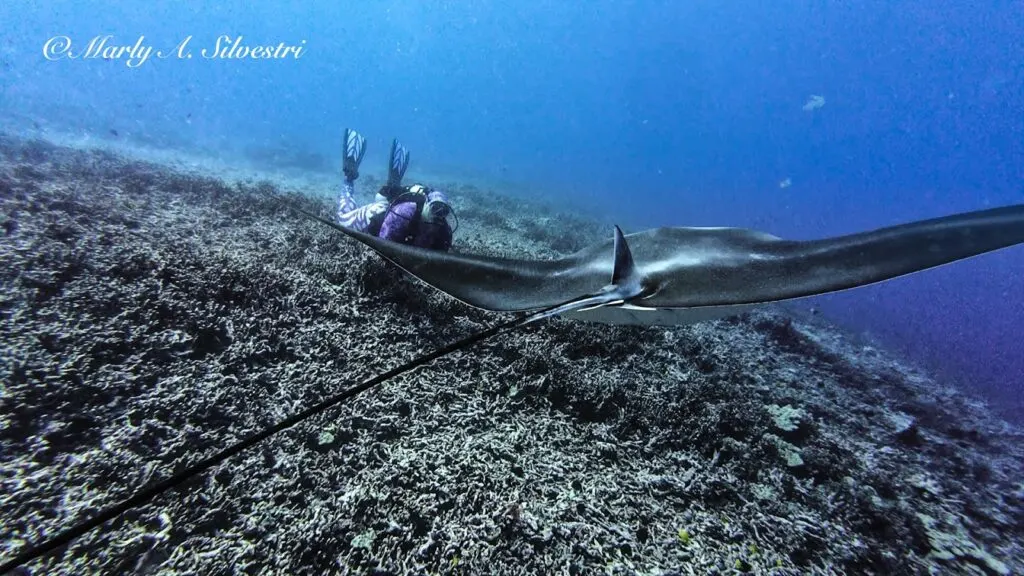
Manta rays (Mobula Alfredi) are perhaps what the Big Island is best known for. These mantas are born on the island and stay for their entire life. They are documented, named and beloved by all. Most snorkel and scuba guides know many of the mantas immediately when they show off their unique spot patterns on their bellies. If you want to learn more about the island’s local rays, check out Manta Ray Advocates.

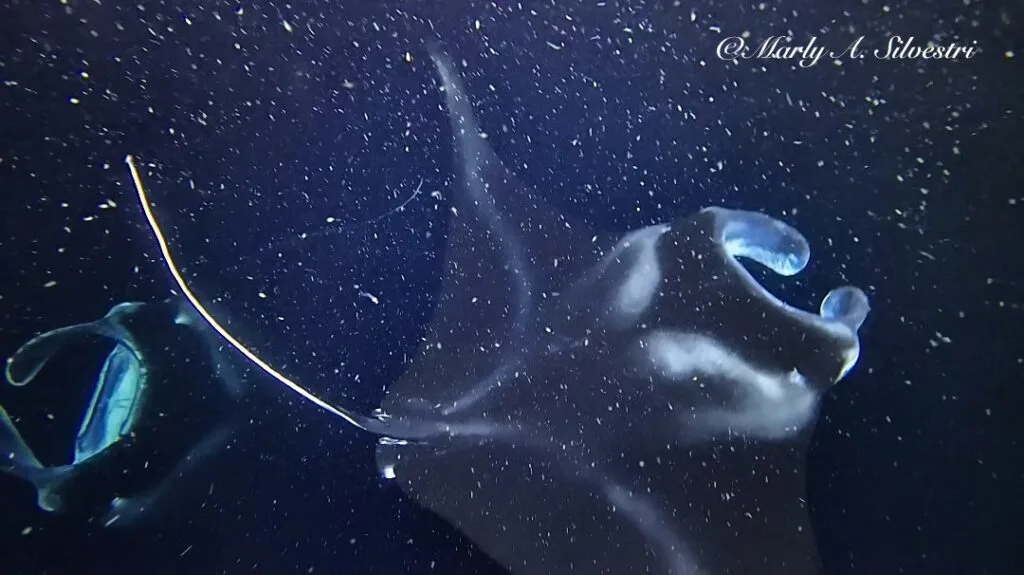
After the sun goes down, lights are placed in a circle, aka “the campfire”, to attract plankton. Once the plankton arrives, the manta rays come in for an all you can eat buffet. This allows you to have a close encounter with these magical beings.
Manta rays often join divers during the day, too! You’ll often see them cruising along off a ledge or giving a quick hello in the shallows. However, a favourite spot to watch them is at the cleaning stations. You can sit and observe the cleaner wrasse remove their parasites until it is time to surface.

Marine Mammals
The ocean surrounding the Big Island sustains many large mammal species that you wouldn’t otherwise have the opportunity to see. The endangered Hawaiian Monk Seal is one of these mammals, with an estimated ten seals residing on the Big Island (not including those housed at Ke Kai Ola). Not only are Hawaiian Monk Seals endemic, they are one of the rarest seal species on the planet. This gives you major bragging rights if you happen to see one while diving.
You also have the opportunity to see a variety of dolphins on the Big Island. A local favourite and protected dolphin is the endemic Hawaiian Spinner Dolphin. They come in close to shore to rest during the day and, if you’re lucky, they’ll come to check you out on a dive.

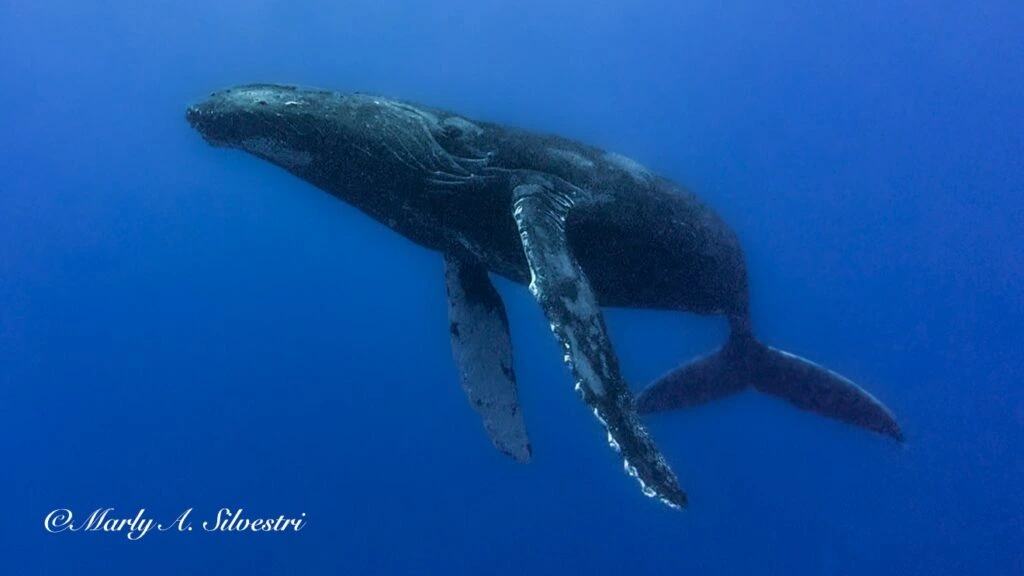
In the winter months, humpback whales frequent the warm waters of the island to mate and give birth to their calves. It is illegal to swim with Humpback whales in Hawaii.
However, it is not unheard of for a few lucky people to be blessed with a humpback whale drive-by during the winter months. Most divers are lucky enough to hear the song of the male humpbacks while scuba diving. Sometimes the whale is singing so close that you can feel your body vibrate.
Sharks
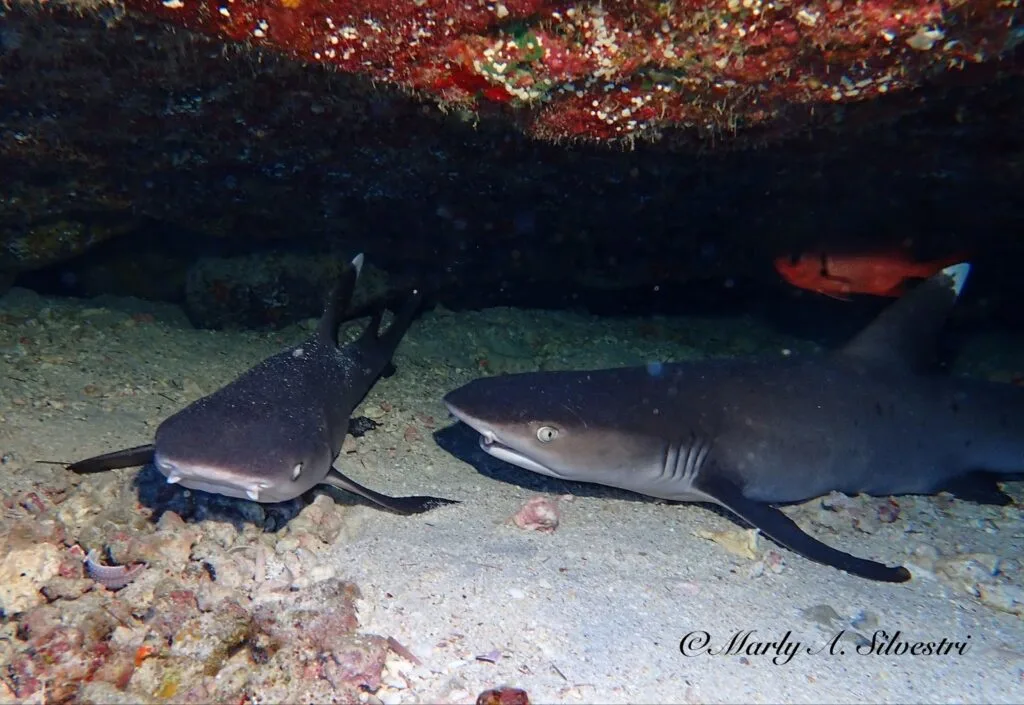
While exploring the reefs of the Big Island, you are almost certain to see white tip reef sharks resting in lava tubes or cruising the reef. You also have a good chance at spotting Tiger Sharks. A 14-foot female, known to the locals as Laverne, frequents the waters of Honokohau Harbor where many diving and fishing boats dock.

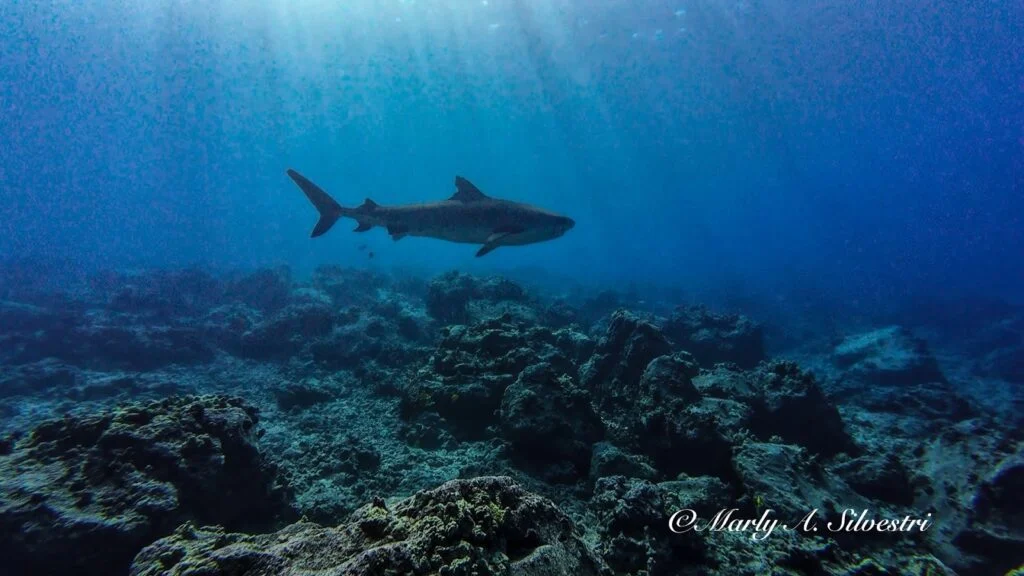
Other sharks include Galapagos sharks, black tip reef sharks and sandbar sharks. Most people are unaware that you can see whale sharks in Hawaii, albeit a rare find. Occasionally, hammerhead sharks will wander onto the reef, too.
Depending on the time of year, you may be able to scuba dive at “Touch of Grey.” This is a site where grey reef sharks congregate when there are new pups!

In the pelagic zone surrounding the Big Island, you may run into the threatened oceanic white tip sharks or schooling scalloped hammerheads. However, these are better observed while freediving.
Fish
Hawaii boasts an incredible variety of fish. Divers love finding Tinker’s butterfly fish, Hawaiian turkeyfish (lionfish), bandit angelfish, and more.
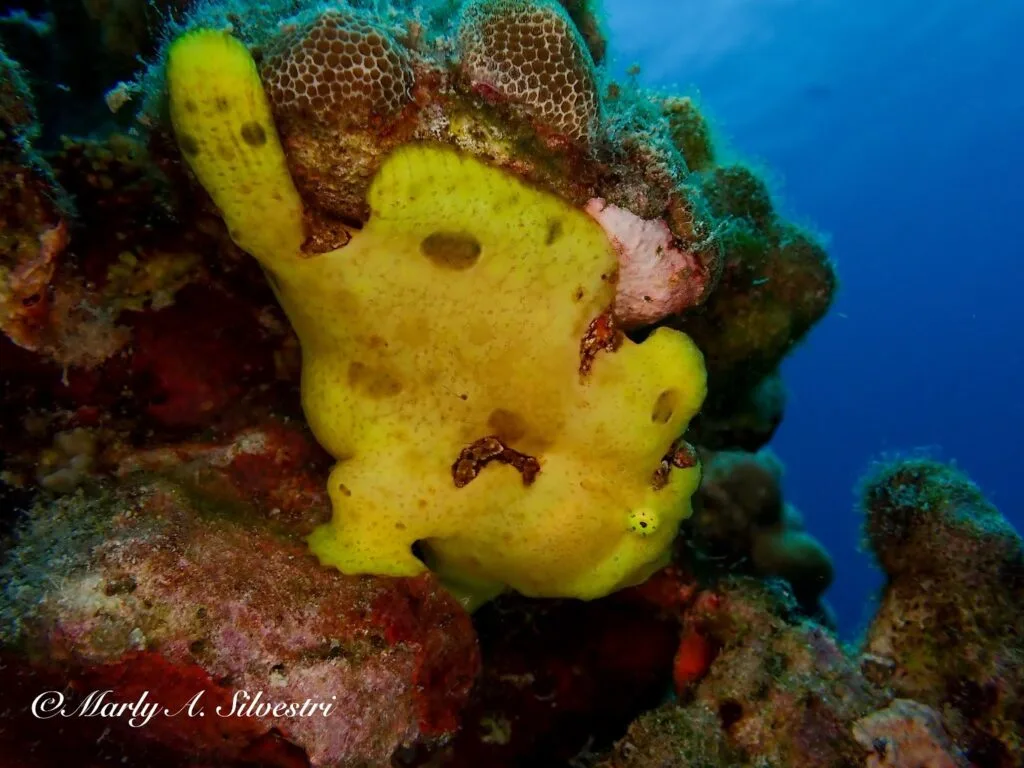
Get lost trying to keep track of a psychedelic wrasse or observe the strangeness of a bird wrasse. Better yet, challenge yourself to find the king of camouflage, a frog fish!

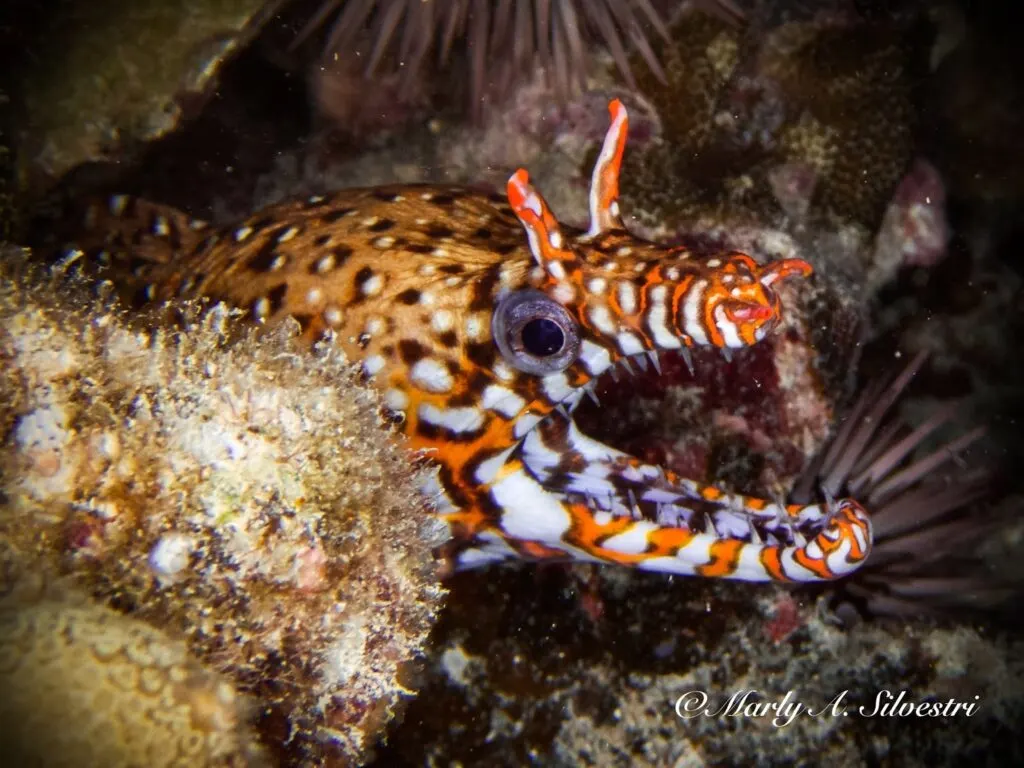
The eel diversity when scuba diving on the Big Island is seriously impressive. On a single dive on the Kona coast you could see half a dozen different species, if not more. Endemic Hawaiian garden eels are on nearly all sandy flats off the ledges. White mouth morays are sure to greet you peeking out from the reef. A zebra moray may even put on a fabulous display while munching on sea urchins.

Nudibranchs and Other Macro Creatures
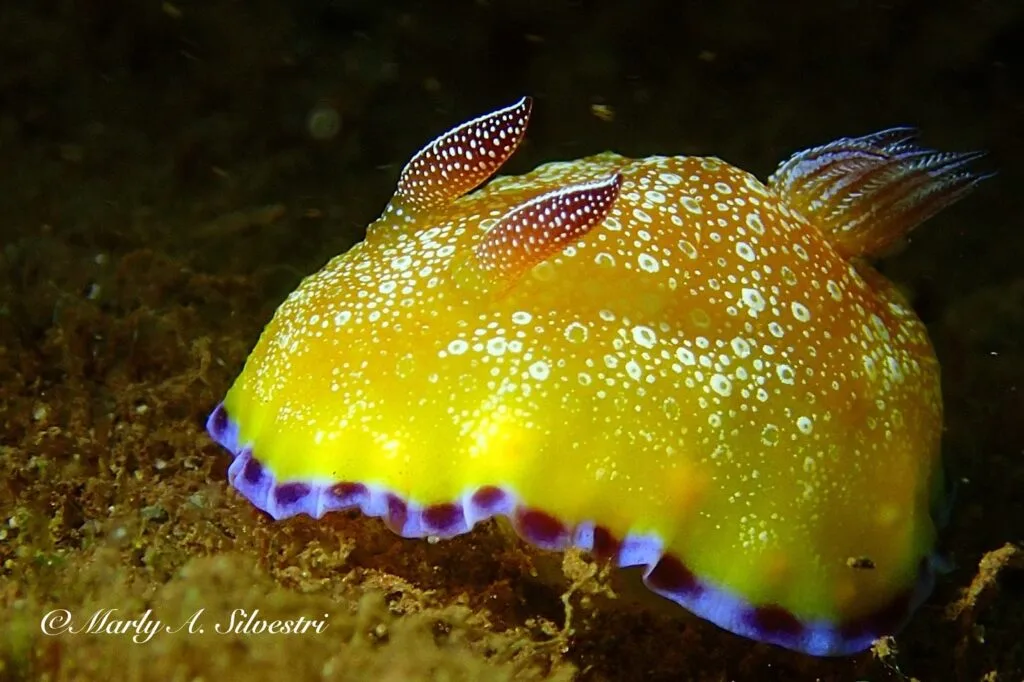
Hawaii isn’t usually the first on a diver’s mind when they think about macro diving, but they’d be missing out. The variety is outstanding! A coveted nudibranch for divers to see is the Spanish dancer (Hexabranchus aureomarginatus). You are far more likely to see one of the pink rose shaped egg masses though than to see the dancer herself.

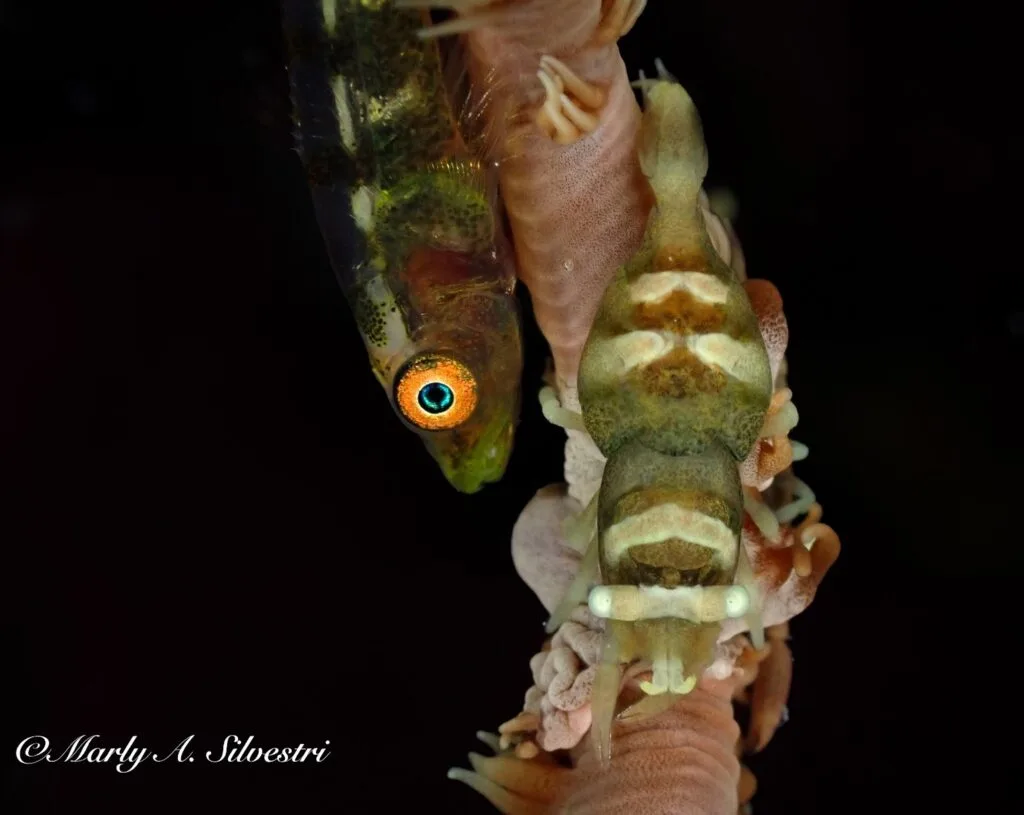
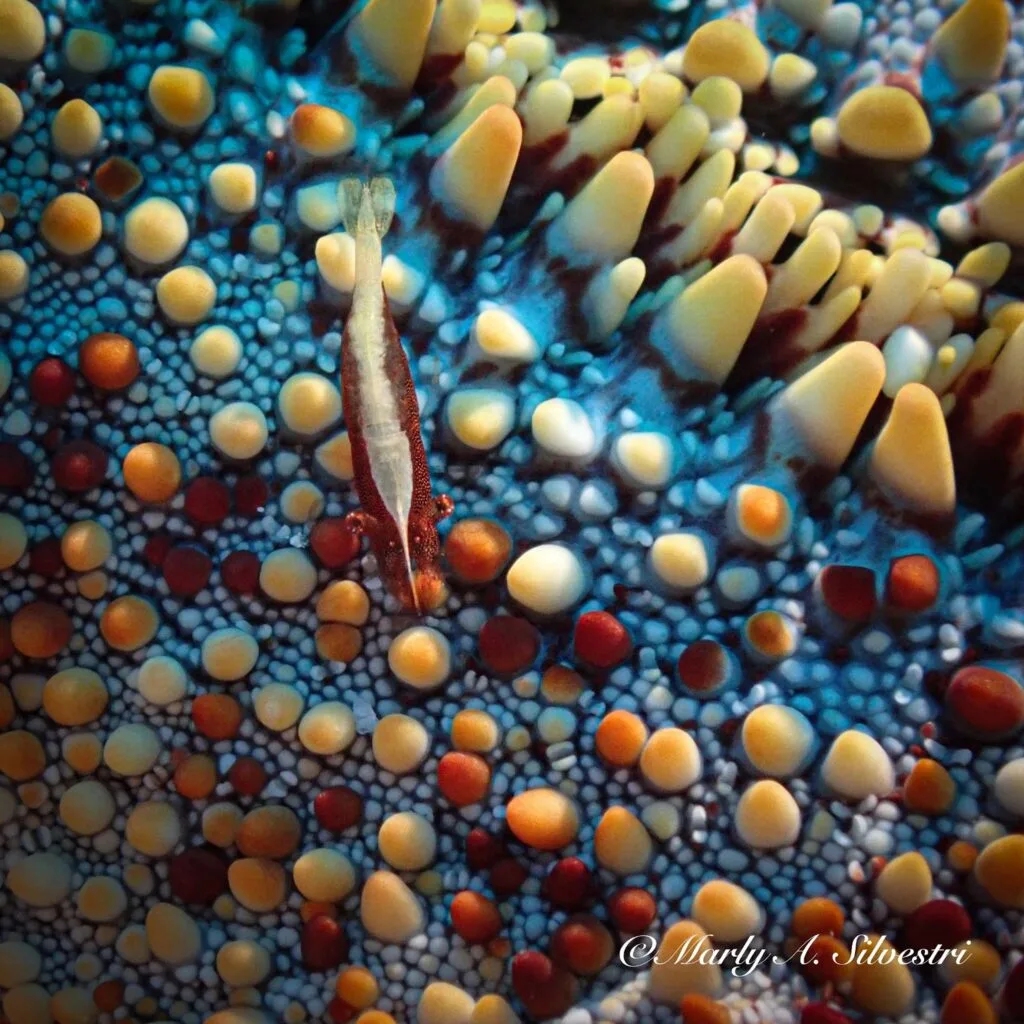
Be sure to take a close look at sea stars, the spines of sea urchins, in coral heads and on wire coral. You may be shocked to see there are tiny shrimp and gobies! Some are almost clear, whilst others are shockingly bright.


Black Water Diving
When you experience black water diving, you are certain to feel as though you are in another galaxy. After the sun sets, the biggest migration on earth begins to happen. All the creatures who reside in the midnight zone migrate towards the surface of the ocean.
The boat utilizes a sea anchor to drift in the currents over the pelagic zone (3,300ft/1,000m or more in depth). You will be tethered onto a 55ft/16m foot line that connects you to the boat so you are also drifting. Then, you wait.
On this dive, you will focus your eyes on the tiny specs passing you only to realize that these are animals. You can see zooplankton, pelagic sea horses, numerous fish in larval form, siphonophores, salp chains and more.
What are the diving conditions like on the Big Island?
Kona Hawaii is known for its excellent visibility. It is not unusual for you to experience 100ft/30m or more of visibility when diving here. On rare occasions the visibility can be reduced to 30ft/10m. While many dives are accessible from shore, difficult volcanic rock entries are something to be aware of.
The Big Island boasts warm temperatures most of the year. In the winter months, you may experience water temperatures as low as 75ºF/24ºC. However, throughout summer and early fall, temperatures rise over 80ºF/27ºC. These temperatures mean you are likely to get away with a 3mm wetsuit. Many shops have 5mm wetsuits in case you prefer more warmth.
Where should I dive on the Big Island?

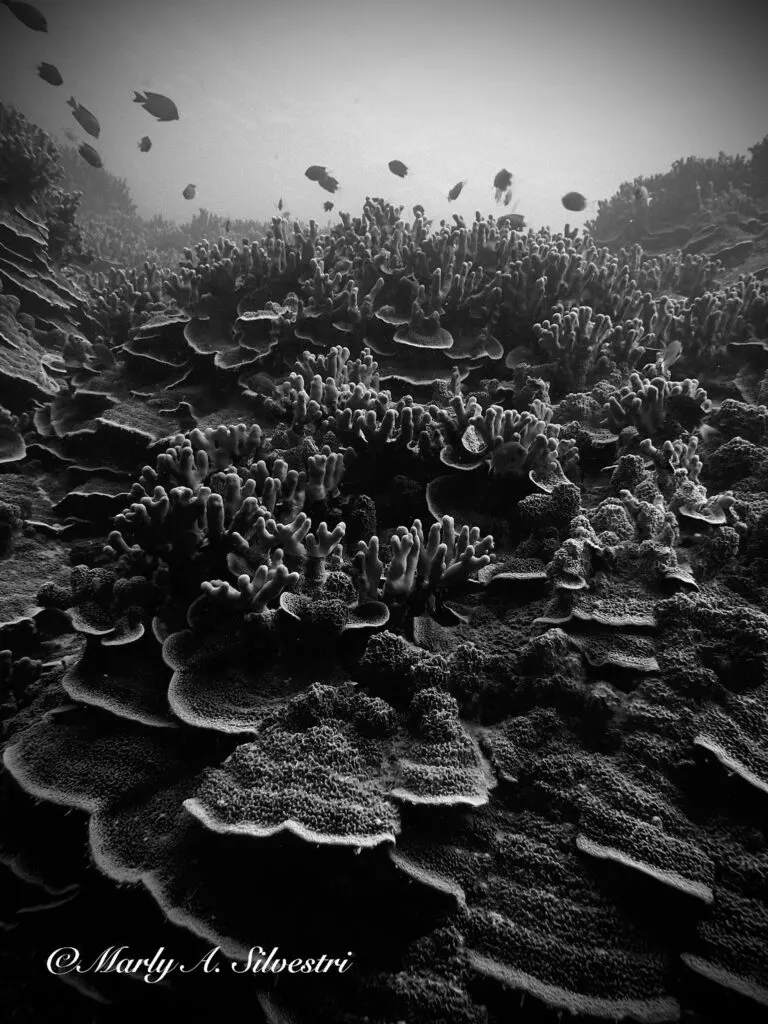
There are multiple amazing shore diving spots that you can go to at your leisure. Just south of Magic Sands beach, at mile marker 4, you can make a shore entry and explore lava tubes. Look in the sand for the freckled snake eels.
Place of Refuge (also known as Two Step) is a beach near Captain Cook with cultural significance. We recommend that you visit the park for information before you dip your toes in. This spot has an incredible reef and life around it. If you have any non divers in your group, it’s the perfect spot for you to dive as they explore above while snorkelling.
The Puako coastline has several shore entries with surface swims that lead to some of our favourite dives on the island. Lava tubes, turtle cleaning stations, frog fish, nudibranchs and more await you here. If you get lucky, you may see an eagle ray or two swimming along the ledge.

Who should I dive with?
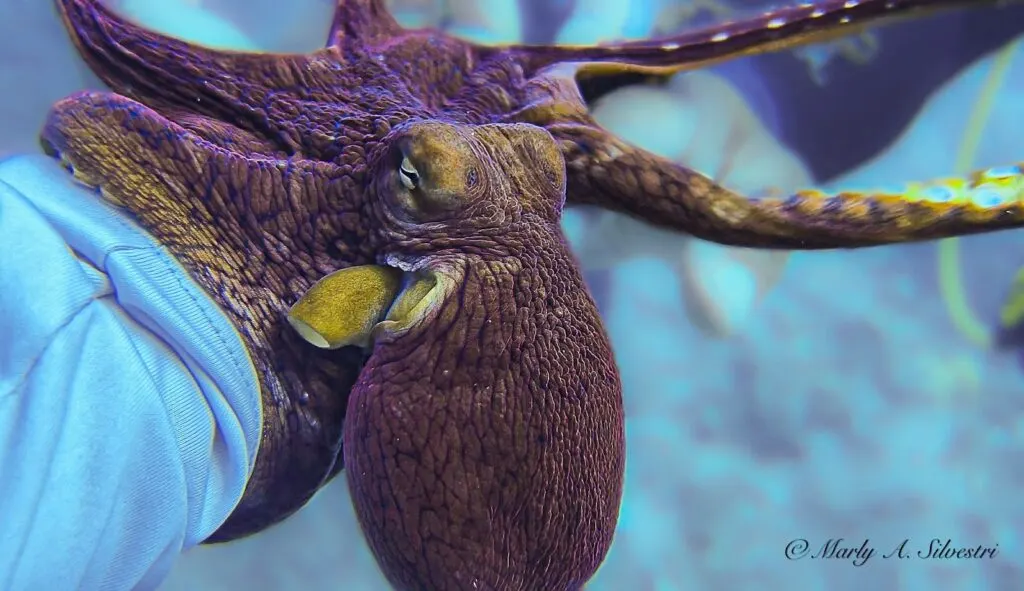
There are many dive shops in Kona that you can choose from. The type of diving, location, and size of the outfitter will be factors for you to consider.
Aquatic Life Divers
Aquatic Life Divers is a shop that offers local day dives, long-range dives, manta night dives (1-tank and 2-tank), night reef dives and blackwater dives. ALD teaches PADI courses from DSD to Divemaster and countless specialties. They also support veterans and disabled divers. This shop has women-exclusive dive days (including the crew), so ask about their “Wahine Under the Waves.”
Manta Ray Dives of Hawaii
Manta Ray Dives of Hawaii (formerly known as Kona Diving Ecoadventures) offers local day dives, long-range dives, manta ray night dives (both 1-tank and 2-tank) and various snorkel trips. They have a gorgeous new boat with top notch safety features. This shop is a rare gem in that they have retained the same crew members for years. This means you will likely have your favourite guide year after year! Did we mention they also have complimentary nitrox and hot water showers?
Big Island Divers
Big Island Divers are a good overall outfitter with variety. If you need a gear fix, their technicians have your back.
Kona Honu Divers
If you need gear to shore dive, Kona Honu has everything you need in cost effective packages.
Jack’s Diving Locker
Jack’s Diving Locker is the biggest outfitter in the area and has a good reputation. They offer local day dives, long range dives, the manta ray night dive and blackwater dives. You can continue your dive education with Jack’s Diving Locker all the way through IDC Staff Instructor.
Who should I stay with?

About the Author
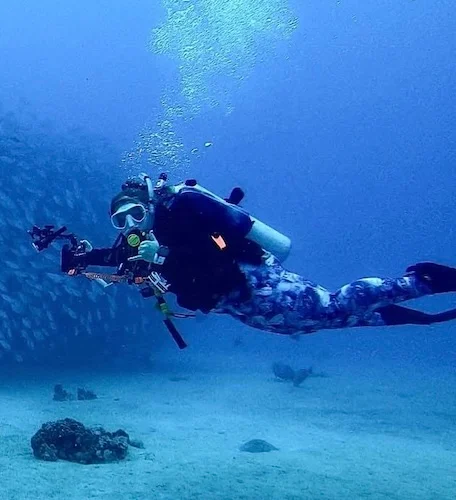
Marly was living in Colorado and working as a social worker when she traveled to Oahu to get scuba certified in 2019. She fell in love with the sport and Hawaii, travelling back annually before becoming an instructor. She moved to the Florida Keys and instructed full time before finally making the move to Kailua-Kona, HI. Marly now does social work full time, dives part time, and is a Scubility Instructor for Lifewaters (an organisation that certifies disabled veterans). Keep up with her adventures on Instagram!